15 High-Protein Vegetarian Meals for Adults Over 40—No Protein Powder Needed
High protein vegetarian meals can be simple after 40. Build each meal around a dependable protein source, then add vegetables, fiber-rich carbohydrates, and flavorful fats. Protein supplies amino acids used to maintain and repair tissues, including muscle, but individual needs vary.
Vegetarian meals can meet those needs without turning breakfast into a shake. The Academy of Nutrition and Dietetics states that appropriately planned vegetarian and vegan patterns can be nutritionally adequate for adults. The practical challenge is combining familiar foods into satisfying meals you will prepare.
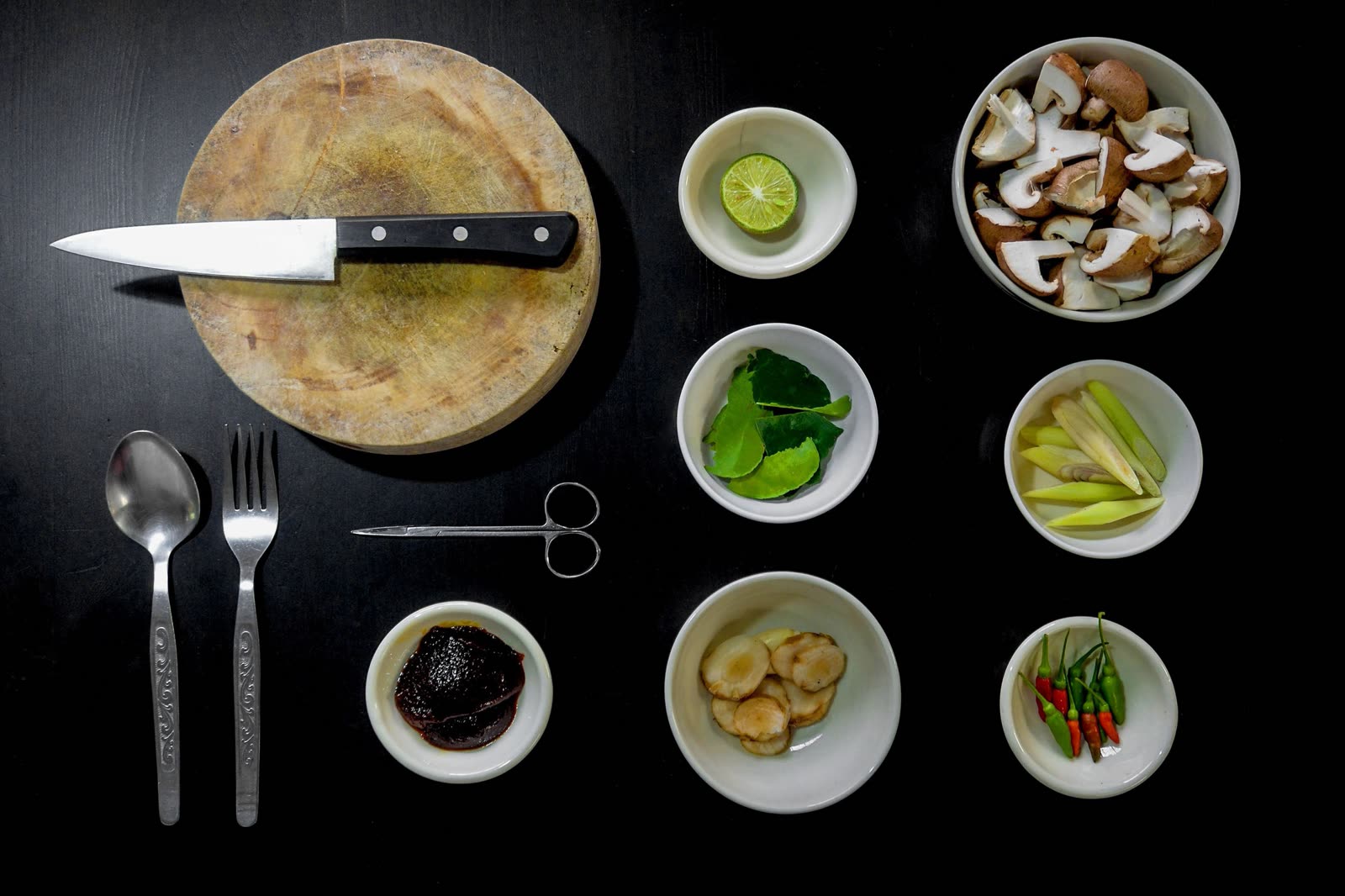
What Counts as a High-Protein Vegetarian Meal?
For this roundup, “high protein vegetarian meals” are meals designed to provide roughly 20 grams or more per serving using common portions. That is an editorial benchmark, not a personalized prescription. Actual totals change with brands, recipes, and serving sizes, so check package labels or calculate your recipe in USDA FoodData Central.
Harvard’s Nutrition Source lists the adult Recommended Dietary Allowance at 0.8 grams of protein per kilogram of body weight per day. Your appropriate intake may differ with body size, activity, health status, and advice from your clinician. Anyone with kidney disease or a prescribed protein restriction should seek individualized guidance before increasing protein.
A Simple Meal-Building Formula
Start with one main protein anchor—beans, lentils, tofu, tempeh, edamame, eggs, Greek yogurt, or cottage cheese. Add a second supporting source such as quinoa, whole-grain bread, seeds, peas, or a yogurt-based sauce. Finish with colorful vegetables and a source of flavor: herbs, citrus, salsa, pesto, tahini, or spices. This formula keeps high protein vegetarian meals flexible enough for different tastes and schedules.
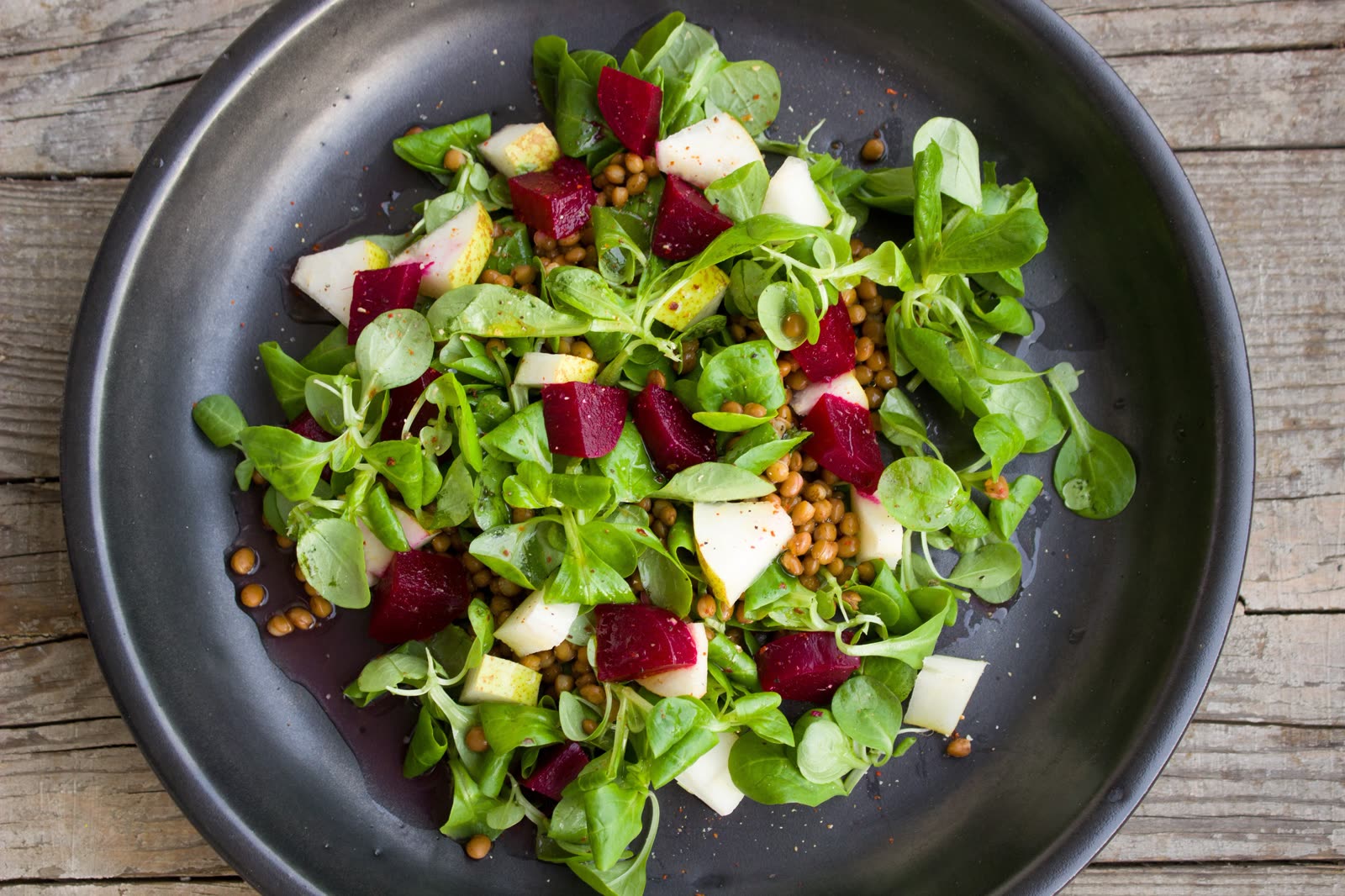
15 High Protein Vegetarian Meals for Adults Over 40
These high protein vegetarian meals use common foods and flexible portions, so you can adapt them to your appetite and eating pattern.
1. Greek Yogurt, Oat and Berry Breakfast Bowl
Combine plain Greek yogurt with rolled oats, berries, and pumpkin seeds. Yogurt supplies the main protein, while oats and seeds add fiber and texture. Choose unsweetened yogurt and sweeten it with fruit. A generous bowl can reach approximately 25 grams of protein.
2. Cottage Cheese and Vegetable Breakfast Toast
Spread cottage cheese over whole-grain toast and add tomatoes, cucumber, pepper, and herbs. Include a boiled egg for a larger breakfast. Depending on the cottage-cheese portion and bread, the meal can provide about 25 to 30 grams.
3. Egg and Cottage Cheese Vegetable Scramble
Whisk two eggs with cottage cheese, then cook with spinach, mushrooms, and bell pepper. The cottage cheese adds creaminess and protein. Serve with whole-grain toast for a balanced breakfast that can approach 25 grams.
4. Tofu Breakfast Tacos
Crumble firm tofu into a skillet with turmeric, cumin, peppers, and onions. Spoon it into tortillas and finish with salsa and avocado. Add black beans for a more substantial meal. Tofu and beans can take two or three tacos beyond 20 grams.
5. Lentil-Quinoa Crunch Salad
Toss lentils and quinoa with cucumber, tomatoes, parsley, pumpkin seeds, and lemon dressing. The legumes and grains make it a substantial lunch. Prepare them ahead, keeping the dressing and vegetables separate until serving.
6. Chickpea-Edamame Grain Bowl
Build a bowl with chickpeas, edamame, brown rice or quinoa, cabbage, carrots, and tahini-lemon sauce. Edamame adds considerable protein without dairy or eggs. A well-portioned bowl can land in the mid-20-gram range.
7. Greek Yogurt Chickpea Salad Wrap
Mash chickpeas with Greek yogurt, mustard, celery, scallions, lemon, and pepper. Roll the mixture into a whole-grain wrap with lettuce and tomato. For a vegan version, replace the yogurt with hummus or a thick tofu dressing.
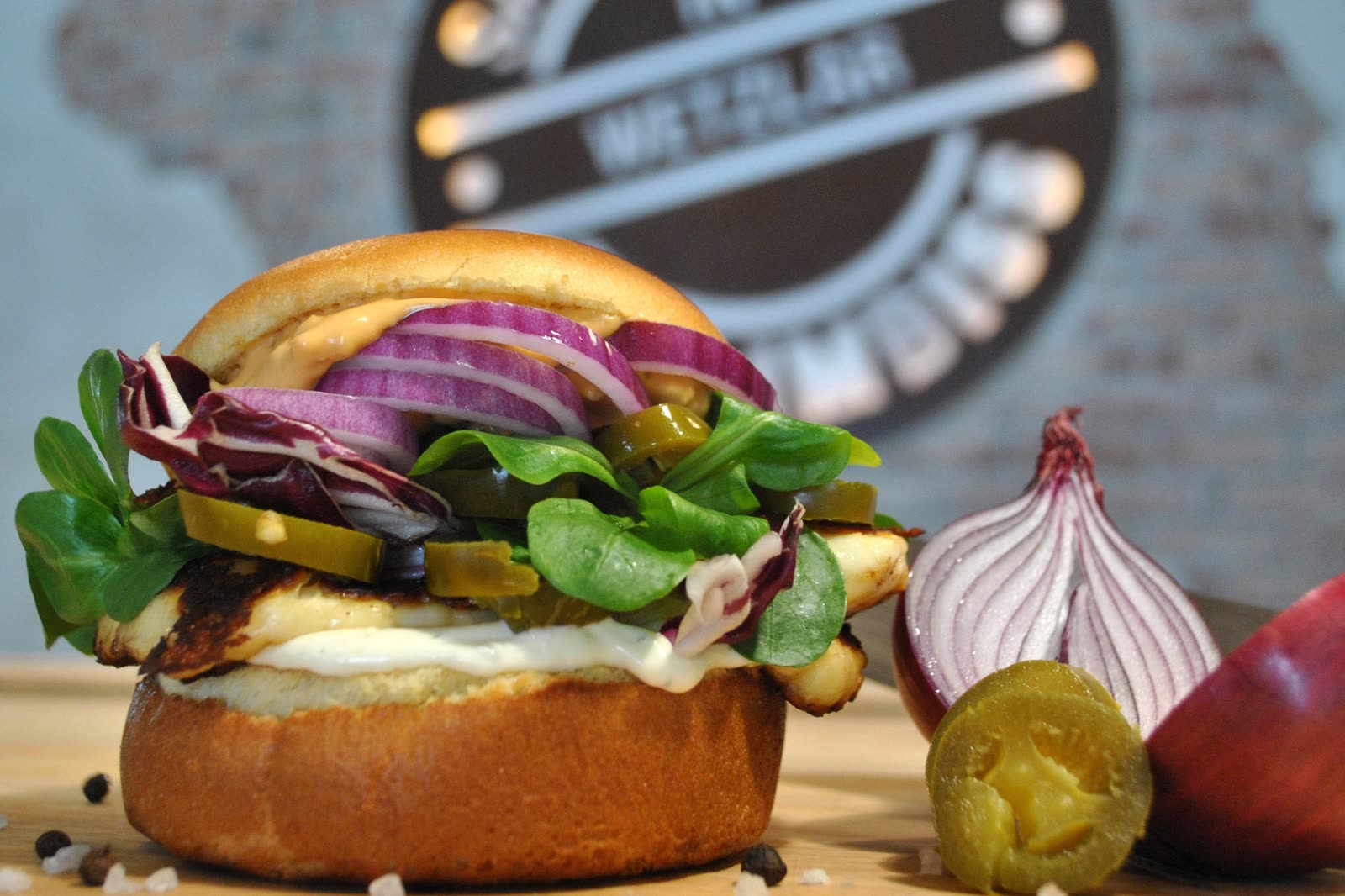
8. Tempeh Hummus Vegetable Wrap
Fill a sturdy wrap with browned tempeh, hummus, crunchy vegetables, and greens. Tempeh’s firm texture works well for packed lunches. Protein varies by brand, so check the label and choose a wrap with useful protein and fiber.
9. White Bean, Kale and Quinoa Soup
Simmer white beans with onion, garlic, carrots, tomatoes, kale, herbs, and quinoa. Use enough beans to make them the focus. Serve with whole-grain toast or pesto. This freezer-friendly soup works well for cooking for one or two.
10. Lentil Pasta Primavera
Choose red-lentil or chickpea pasta, then add zucchini, broccoli, peas, tomatoes, and tomato or pesto sauce. Labels differ, but legume pasta generally provides more protein than conventional pasta. Add peas or white beans when needed.
11. Tofu and Edamame Vegetable Stir-Fry
Brown firm tofu before adding broccoli, mushrooms, bell pepper, and edamame. Finish with a lower-sodium soy, ginger, and garlic sauce. Tofu plus edamame can move this dinner above 25 grams, depending on portions.
12. Black Bean and Quinoa Stuffed Peppers
Fill bell-pepper halves with black beans, quinoa, corn, tomatoes, spices, and cheese. Bake until tender. Beans provide most of the protein, with support from quinoa and cheese. Save extra filling for next-day bowls.
13. Three-Bean Vegetable Chili
Combine black, kidney, and pinto beans with tomatoes, onions, peppers, corn, and spices. A hearty serving can provide more than 20 grams while supplying substantial fiber. Offer Greek yogurt, cheese, avocado, or cilantro as toppings.
14. Red Lentil Cottage Pie
Cook lentils with mushrooms, carrots, peas, onions, and herbs, then cover with mashed potatoes and bake. Lentils create a substantial filling without imitation meat. Add peas or a yogurt-based side if the portion falls short of your protein target.
15. Bean Burger With Crunchy Slaw
Choose a patty with beans or lentils as a leading ingredient, because some vegetable patties contain little protein. Serve it on a whole-grain bun with cabbage slaw and yogurt-herb or tahini sauce. Check the label to confirm the total.
Make These Meals Easier to Repeat
To make high protein vegetarian meals easier to repeat, cook one grain and one legume, wash a few vegetables, and mix one flexible sauce. Those ingredients can become salads, bowls, wraps, soups, and stuffed vegetables. Frozen edamame, canned no-salt-added beans, prewashed greens, and plain Greek yogurt are useful shortcuts.
Rotate sauces and vegetables so the same protein bases can become different high protein vegetarian meals throughout the week.
Do not chase a perfect number at every meal. Build a consistent pattern, use portions appropriate for you, and pay attention to the entire plate. The 2025–2030 Dietary Guidelines for Americans emphasize whole, nutrient-dense foods and reducing highly processed foods; a protein-focused meal still needs vegetables, quality carbohydrates, and enough overall energy.
Frequently Asked Questions
Can a vegetarian diet provide enough protein after 40?
Yes. High protein vegetarian meals can fit an appropriately planned vegetarian diet for adults. Variety matters: rotate legumes, soy foods, eggs or dairy if included, whole grains, nuts, and seeds rather than depending on one food.
Do I need protein powder?
Not necessarily. Protein powder can be convenient, but the meals above use ordinary foods. If you use a supplement, choose one appropriate for your needs and remember that it supplements—not replaces—a balanced eating pattern.
Are these protein amounts exact?
No. They are practical estimates based on common portions and typical food-composition or label data. Brands, moisture, preparation, and serving size change the total. Use your ingredient labels or USDA FoodData Central when accuracy is important.
The Bottom Line
High protein vegetarian meals do not require elaborate recipes or a cabinet full of supplements. Start with a clear protein anchor, add vegetables and fiber-rich carbohydrates, and use flavors you genuinely enjoy. Pick two ideas from this list, prepare their shared ingredients once, and make the approach easy enough to repeat.
For more nutrition-focused ideas, visit the Eat Well section.
Sources and Accuracy Note
- Dietary Guidelines for Americans, 2025–2030
- Harvard Nutrition Source: Protein
- USDA FoodData Central
- Academy of Nutrition and Dietetics position paper on vegetarian dietary patterns
Protein totals are approximate, not laboratory analyses or personalized targets. This article provides general education and is not medical or dietetic advice.