If you have spent the past few years hearing that every adult should “eat more protein,” this week’s headlines can feel like a reversal. Coverage of new aging research is asking whether protein-maxxing—piling on shakes, bars, and high-protein snacks—helps people live better or simply sells more packaged food. The useful question for protein after 40 is narrower.
For adults over 40, the useful question is narrower. You need enough protein after 40 to support muscle, recovery, and everyday meals. You do not need a contest to see how much powder fits in a grocery cart.
This article explains the official adult minimum, why some older and active adults aim higher, what the new research does not prove, and how to hit a sensible target with ordinary vegetarian foods. It is general education, not a personal meal plan or medical advice.
What the Official Minimum Actually Is
The National Academy of Medicine’s adult recommendation, as summarized by Harvard’s Nutrition Source, is a minimum of 0.8 grams of protein per kilogram of body weight per day. Harvard also translates that to just over 7 grams for every 20 pounds of body weight:
- about 50 grams a day for a 140-pound adult
- about 70 grams a day for a 200-pound adult
That figure is a Recommended Dietary Allowance—an amount expected to cover the needs of nearly all healthy adults—not a goal to beat. The same National Academy of Medicine range allows protein to make up 10% to 35% of daily calories. That is a wide window, not an invitation to treat 35% as better.
Harvard is also clear about the gap in the research: there is relatively little solid information on one ideal protein target. Needs vary with age, exercise, health conditions, and the rest of the diet. A registered dietitian can help you set a protein after 40 number that fits your body and medical history.
Protein’s job is more ordinary than the marketing. Foods supply amino acids. Nine of them—histidine, isoleucine, leucine, lysine, methionine, phenylalanine, threonine, tryptophan, and valine—must come from food because the body cannot make them. Muscle repair uses those amino acids. So do enzymes, immune proteins, and routine tissue maintenance. That is why “enough” matters. It is also why “more than enough, from any source” is not automatically better.
Why Midlife Is Different From a Lab Mouse
The current debate is not imaginary. On August 17, 2026, Kim, Yu, and Morrison at Pennington Biomedical Research Center published a Cell Metabolism scientific discussion arguing that protein restriction extends lifespan across species and engages many of the biological hallmarks of aging. They propose that the body treats lower protein as one coordinated adaptive state, not a pile of unrelated side effects.
That is interesting biology. It is not a menu.
A companion mouse study in Nature Aging found that lifelong restriction of one amino acid, valine, had sex-specific benefits for health and lifespan in mice. Animal findings can generate useful questions. They cannot tell a 47-year-old who lifts twice a week, or a 68-year-old recovering from an illness, to copy a laboratory diet.
Mainstream coverage this week has been more careful than some headlines. NewsNation’s August 19, 2026 report on the protein-maxxing debate noted the usual and important caveats: mice are not people; short-term human metabolic changes are not the same as a longer life; protein needs differ; and older adults, pregnant people, and people who strength train may need more protein than sedentary younger adults. The same report distinguished nutritious whole foods from ultra-processed products sold as “high protein.”
For Stronger After 40 readers, those caveats are the story.
After 40, many adults are trying to keep muscle, stay active, and eat in a way they can repeat. That is why protein after 40 is usually a maintenance question, not a longevity contest.
After 65, an expert group known as PROT-AGE reviewed the evidence and concluded that older adults often need more than the 0.8 gram minimum to help maintain lean tissue and function—typically 1.0 to 1.2 grams per kilogram per day, and at least 1.2 grams if they are exercising. People with many acute or chronic illnesses may need still more, while people with severe kidney disease who are not on dialysis may need to limit protein.
That 2013 position paper is not a new government RDA, and it was written for adults older than 65. It is still the clearest published warning against treating “eat less protein to live longer” as advice for every midlife reader.
If you lift, walk hills, or train for a sport, another specialist group sits on the other side of the same coin. The International Society of Sports Nutrition’s protein-and-exercise position stand says that 1.4 to 2.0 grams per kilogram per day is enough for most exercising people who want to build or maintain muscle. That range is for healthy, exercising individuals. It is not a default prescription for every adult over 40, and the upper sports-nutrition numbers are not a longevity plan.
Put plainly: the new aging papers ask whether excess protein is useful. They do not erase the separate evidence that too little protein is a problem when muscle, appetite, or recovery are already under pressure.
A Practical Range for Protein After 40
You do not need one perfect gram target to eat well this week. You do need a range that keeps you honest.
Start with the official floor. Use 0.8 grams per kilogram, or Harvard’s 7 grams per 20 pounds, as the amount you do not want to undershoot for long if you are a healthy adult.
Move up only with a reason. Common reasons after 40 include regular strength training, low appetite, unintentional weight loss, or—especially after 65—advice from your clinician that you need more support for muscle and function. The PROT-AGE 1.0–1.2 gram range is a published expert suggestion for older adults, not a do-it-yourself diagnosis.
Do not treat sports-nutrition ceilings as everyday targets. If you are training hard, ISSN’s 1.4–2.0 gram range may be relevant with that training. If you are mostly desk-bound, chasing 2 grams per kilogram from bars and cereals is the behavior the current headlines are questioning.
A simple way to think about a day, without turning dinner into arithmetic homework:
- Put a clear protein food at breakfast, lunch, and dinner.
- Add a smaller protein food at one snack if meals run light.
- Judge the week, not one high-protein yogurt cup.
ISSN notes that exercising people often do well with roughly 20 to 40 grams of protein in a sitting and with doses spread through the day. That is a sports-nutrition finding, not a law. It is still a useful protein after 40 guardrail against two common midlife patterns: a toast-only breakfast and a giant protein “catch-up” at 9 p.m.
Enough Protein Without Protein-Maxxing
A vegetarian pattern can cover protein after 40. The Academy of Nutrition and Dietetics’ 2025 position paper states that appropriately planned vegetarian and vegan diets can be nutritionally adequate for adults and may support long-term cardiometabolic health. Harvard adds a practical detail: plant foods often have a different mix of essential amino acids than eggs or dairy, so variety across the day matters. Complete plant proteins such as quinoa and chia can help, and so can the more familiar rotation of beans, lentils, tofu, tempeh, and, if you eat them, eggs, yogurt, and cottage cheese.
That is the opposite of protein-maxxing. Protein-maxxing usually means adding isolated protein to foods that were never the problem—cereal, chips, coffee, dessert—until the cart looks “high protein” and the meals are still low in plants, fiber, and cooking.
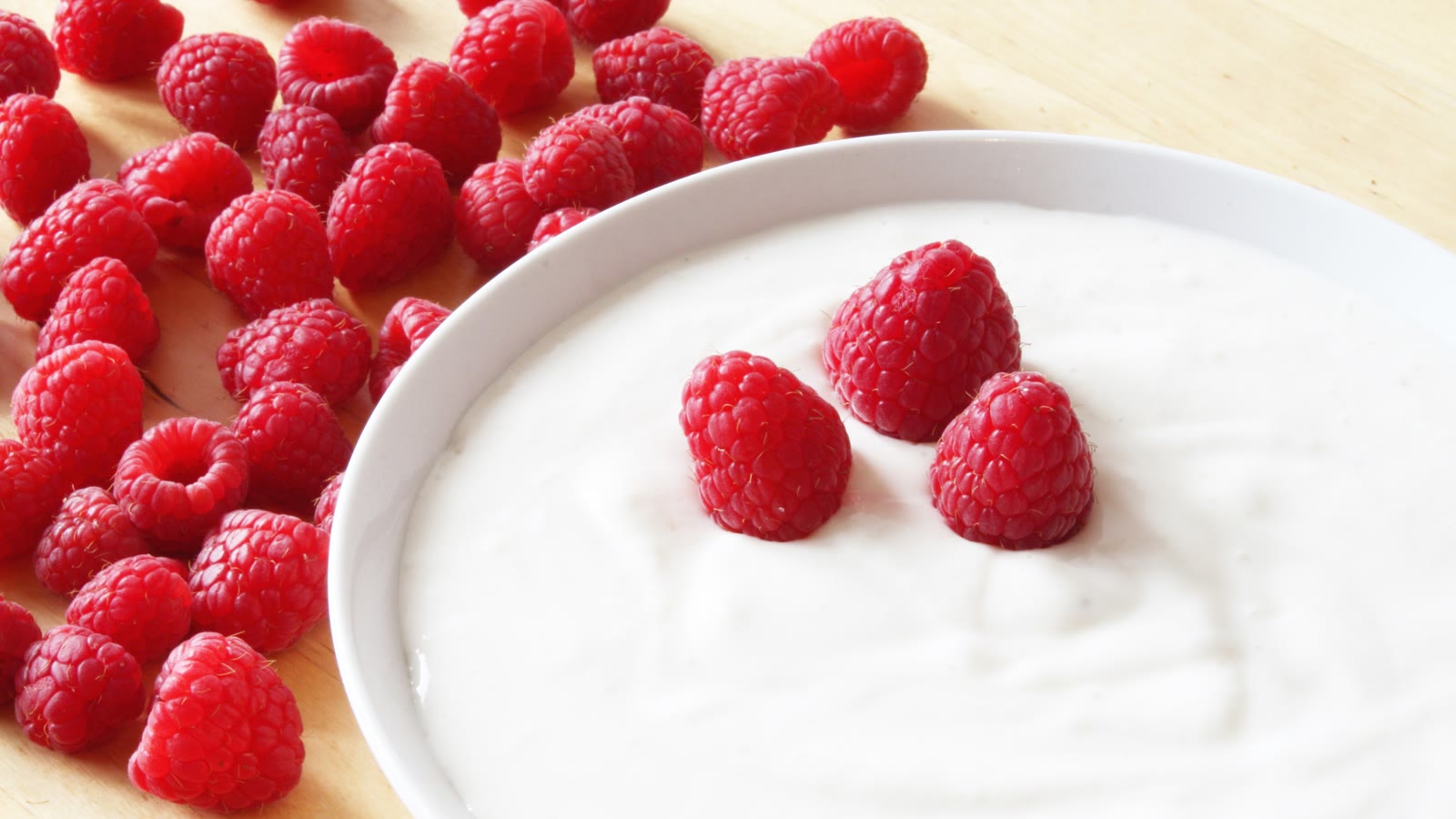
A calmer plate looks like this:
- Breakfast: thick plain yogurt or cottage cheese with fruit and oats, or tofu scrambled with vegetables.
- Lunch: lentils or chickpeas over grains and vegetables, or a hearty bean soup with whole-grain bread.
- Dinner: baked tofu or tempeh, a bean chili, or an egg-and-vegetable skillet if you eat eggs.
- If you need more: edamame, pumpkin seeds, a second serving of beans, or another cup of yogurt—not a third protein bar.
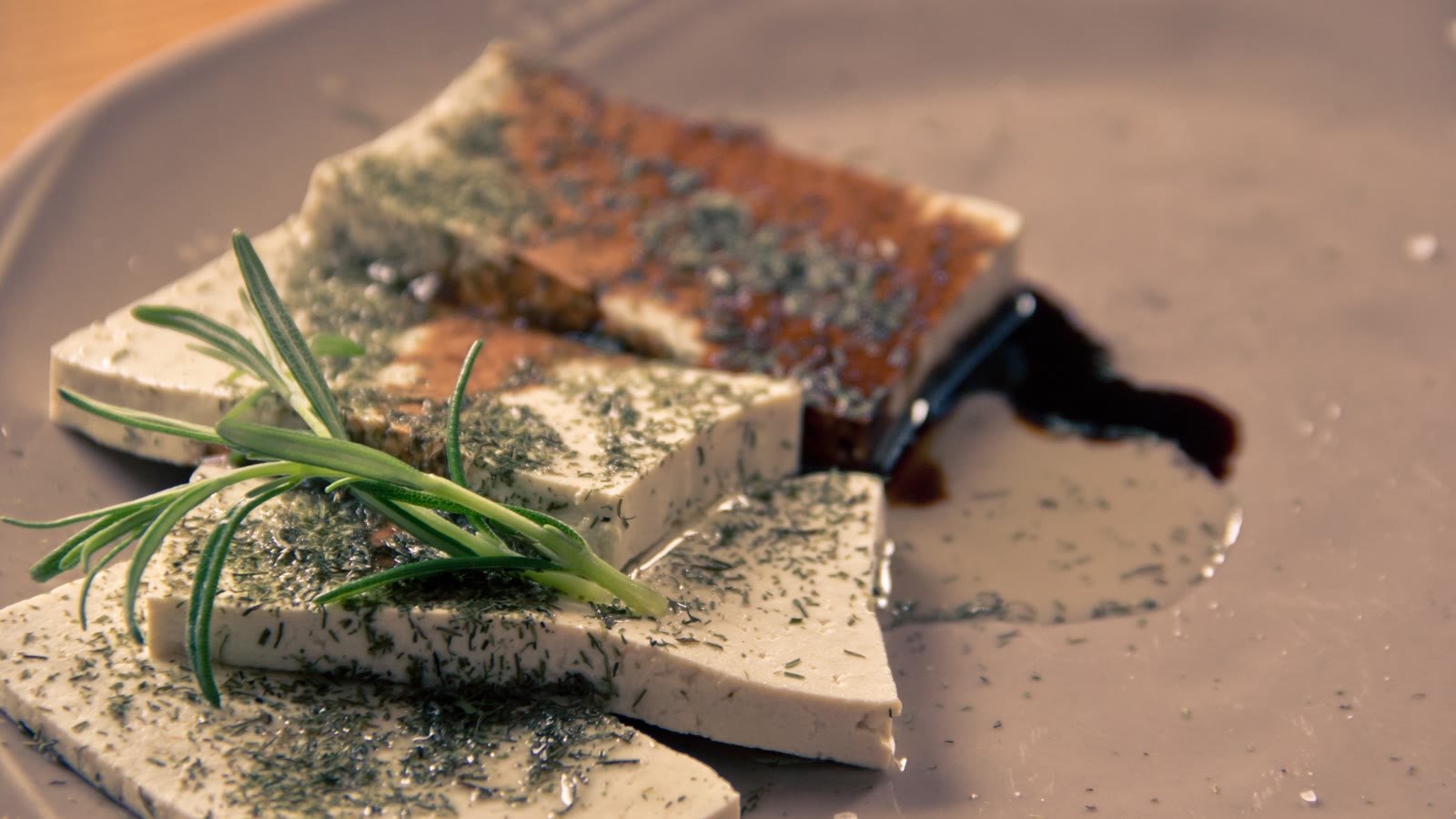
If you want specific meal ideas that already use this approach, start with our guide to high-protein vegetarian meals after 40. Use package labels or USDA FoodData Central when you want a number for your brand and portion. Totals change with moisture, serving size, and recipe.
Protein powder can be convenient. It is not required for protein after 40. Harvard notes that powdered protein is sold as a dietary supplement and is not regulated by the U.S. Food and Drug Administration for safety the way drugs are. If you use one, read the ingredient list and treat it as a supplement to meals, not the meal.
When to Get Personal Advice
Skip the internet argument and talk with a clinician or registered dietitian if any of these apply:
- You have kidney or liver disease, or you have been told to limit protein.
- You are losing weight or muscle without trying.
- You have a small appetite, chew or swallow with difficulty, or eat only one real meal a day.
- You are training hard, recovering from surgery or illness, or considering a large change in protein intake.
- You follow a vegan pattern and want help checking protein, vitamin B-12, and overall balance. The Academy of Nutrition and Dietetics’ 2016 vegetarian-diet position specifically noted that vegans need a reliable source of vitamin B-12 from fortified foods or a supplement.
Harvard specifically notes that people with kidney or liver disease should follow their physician’s protein guidelines. PROT-AGE likewise carved out older adults with severely reduced kidney function who are not on dialysis. Those are not internet troubleshooting cases.
Frequently Asked Questions
How much protein do I need after 40?
There is no single midlife number for protein after 40. Healthy adults have an official minimum of 0.8 grams per kilogram of body weight per day. Some active adults and many adults over 65 are advised, in expert papers, to eat more than that minimum to help maintain muscle. Your best target depends on body size, activity, and medical history.
Does eating less protein help you live longer?
Some animal research and a 2026 scientific discussion of protein restriction suggest that lower protein can engage aging-related pathways and extend lifespan in other species. That is not proof that adults over 40 should cut protein to live longer. It is also not proof that protein-maxxing is harmless. The honest middle is enough protein from ordinary foods, not a longevity hack.
Can vegetarians get enough protein after 40?
Yes, when the pattern is planned with enough beans, lentils, soy foods, whole grains, nuts, seeds, and—if included—eggs or dairy. Variety across the day covers essential amino acids. You do not need meat, and you do not need powder in every meal.
Is protein-maxxing dangerous?
“Dangerous” is the wrong word for most healthy adults, and this article is not diagnosing harm from a snack. The better critique is waste and imbalance: ultra-processed high-protein products can crowd out meals that also supply fiber, plants, and satisfaction. People with kidney or liver disease should not raise protein on their own.
Do I need 20 grams of protein at breakfast?
Not as a medical rule. Spreading protein across meals is a practical habit, and sports-nutrition research often discusses 20–40 gram doses for exercising people. A protein-containing breakfast is still one of the easiest ways to stop chasing your target at night.
For more nutrition-focused ideas, visit the Eat Well section.
The Bottom Line
Protein after 40 is a maintenance nutrient, not a personality. Hit a sensible daily range, preferably from meals you will actually cook. Use the official 0.8 gram minimum as a floor, consider a higher target only if your activity or clinician gives you a reason, and ignore the idea that more packaged protein is automatically more health.
The new aging research is a reminder not to treat protein like a scoreboard. It is not a reason to skip the beans.
Sources and Accuracy Note
- Harvard T.H. Chan School of Public Health, The Nutrition Source: Protein
- Academy of Nutrition and Dietetics, Vegetarian Dietary Patterns for Adults (2025 position paper, PubMed 39923894)
- Academy of Nutrition and Dietetics, Vegetarian Diets (2016 position paper, PubMed 27886704)
- PROT-AGE Study Group, protein intake in older people (JAMDA 2013, PubMed 23867520)
- International Society of Sports Nutrition position stand: protein and exercise (2017, PubMed 28642676)
- Kim, Yu, and Morrison, *Cell Metabolism*, August 17, 2026 (PubMed 42607665)
- Calubag et al., *Nature Aging*, 2026, dietary valine restriction in mice (PubMed 42498891)
- NewsNation, “Protein-maxxing may not be as healthy as you think, study finds,” updated August 19, 2026
- USDA FoodData Central
- Internal link: 15 High-Protein Vegetarian Meals for Adults Over 40
Research date: August 19, 2026. Specific gram amounts for individual grocery items were not pulled from FoodData Central in this session, so this article does not invent food-level protein numbers. The 2026 Cell Metabolism paper is a scientific discussion of protein restriction and aging, not a human trial that changes the official adult RDA. PROT-AGE recommendations apply to adults older than 65. ISSN ranges apply to healthy exercising people. This article is not medical or dietetic advice.
5 thoughts on “How Much Protein Do You Need After 40?”